
Défi francophonie: Grades 8-12 French as a Second Language (March 12, 2026)
Celebrate the Semaine internationale de la francophonie with your students!
Celebrate the Semaine internationale de la francophonie with your students!
Celebrate the Semaine internationale de la francophonie with your students!
Celebrate the Semaine internationale de la francophonie with your students!

The International Day of La Francophonie is celebrated around the world each March 20th to highlight the vitality of the French language and the diversity of Francophone culture.
Organized in partnership with Canadian Heritage and in collaboration with the Théâtre Cercle Molière , this event will honour the Francophone theatre scene on the occasion of the Franco-Manitoban Theatre Company’s 100th season. In celebration of this milestone, an adaptation of the play Ô Canada, Té Qui Toi? will be performed.

This webinar hosted by FSL Disrupt will dive into the world of French mystery novels and explore a high-engagement Book Club model. Learn how to empower students by letting them choose from 3-4 curated titles and work in collaborative reading groups.

This course provides a supportive environment for FSL educators to understand social justice issues, learn strategies for creating inclusive classrooms, address systemic barriers, and implement diversity, equity, and inclusion principles in their practice.

In this course, participants will explore strategies and considerations for effective resource selection and creation in FSL programs.

Discover the interesting projects of three young researchers completing their Master of Arts in Bilingualism Studies at OLBI.
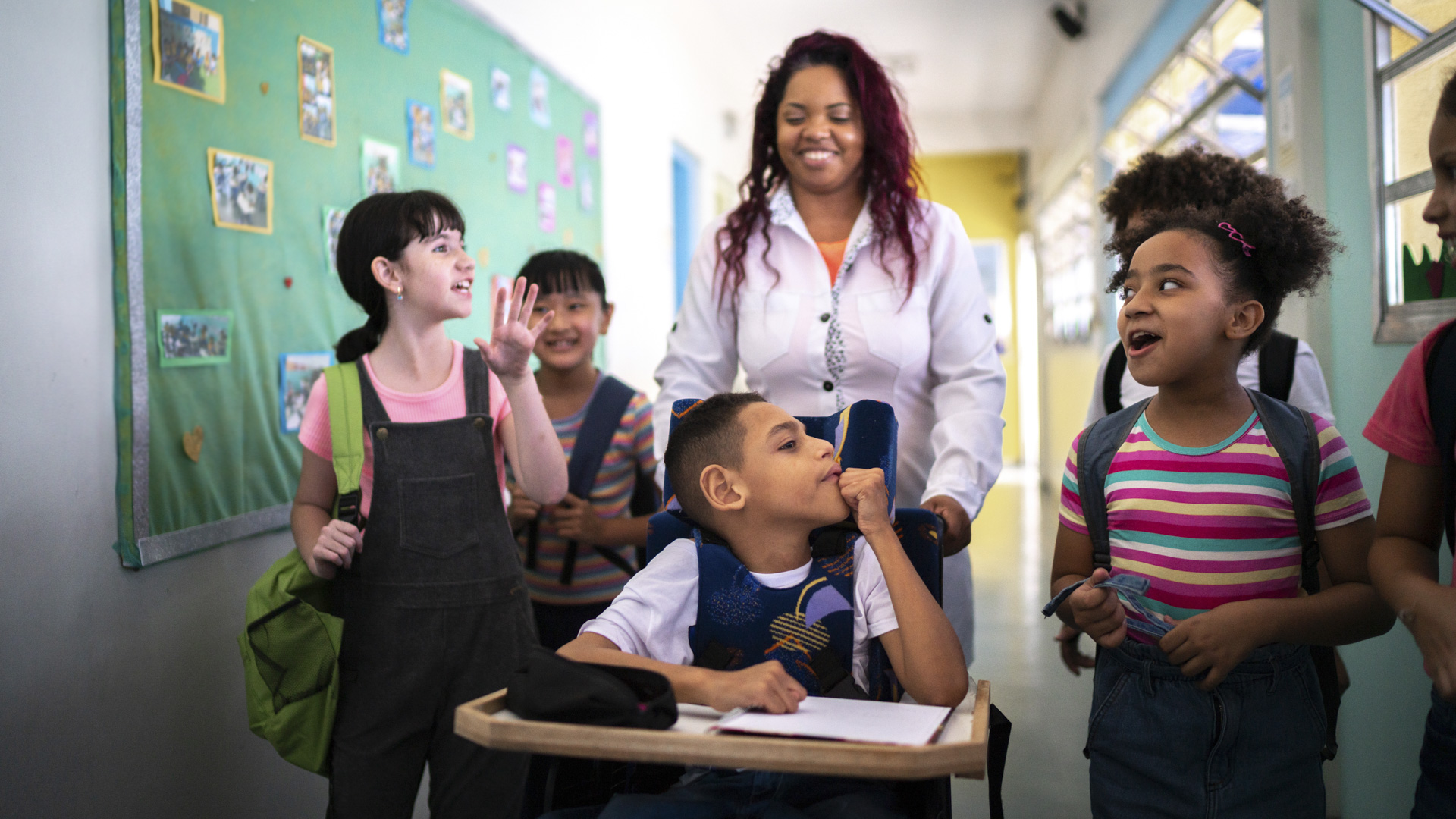
This session will explore practical ways to make language learning more accessible to students with exceptionalities through lessons, assessment charts, and modified evaluation strategies.
This session will explore practical ways to make language learning more accessible to students with exceptionalities through lessons, assessment charts, and modified evaluation strategies.
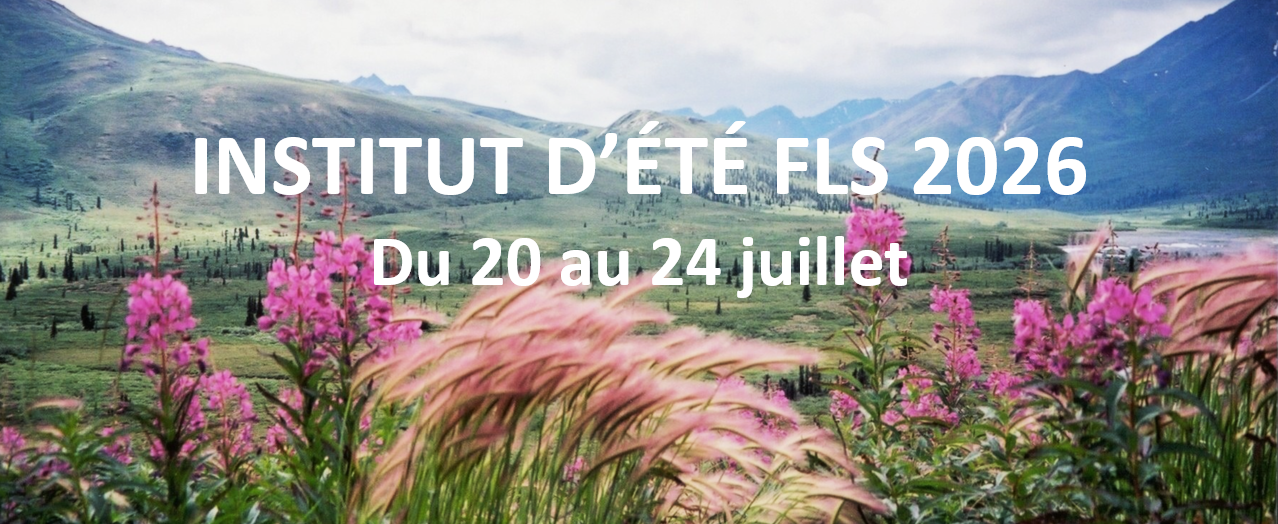
Dive into an immersive French experience in the heart of Yukon nature. This professional learning and language support event for school staff is a collaboration between the Association franco-yukonnaise and the French Language Programs team of the Yukon Department of Education.
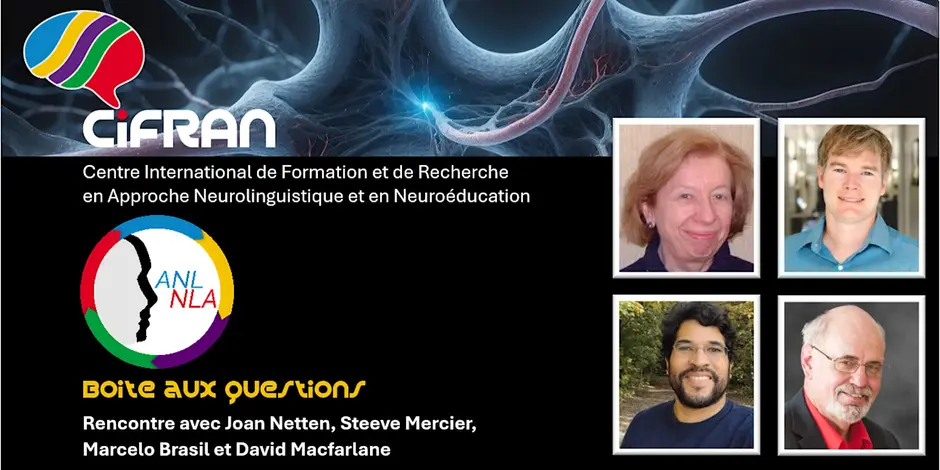
This in-person and online event will mark the close of the initial Neurolinguistic Approach training session, which will be held in Quebec from July 27 to 31.
Experts will answer questions about the Neurolinguistic Approach, its implementation, and pedagogical issues related to additional language teaching.
CASLT supports its members by creating opportunities for professional development, initiating and disseminating research, and facilitating the exchange of information and ideas among language educators. Memberships start at only $60 per year!
Compare Membership Categories Sign up today