Cape Split, Nova Scotia.
By Lauren-Rose Stunell
Mi’kmaq, Mi’kmaw, and Mi’kma’ki
Before we begin learning about the Mi’kmaw language and the people who speak it, we need to ensure that we respect and understand what several related words mean.
Mi’kmaq is a plural word that means “the people” and refers to the original inhabitants of most of the Atlantic region of Canada. It is also used to refer to the language traditionally spoken by these people.
Mi’kmaw is the adjectival form of the word. So, you could say someone has Mi’kmaw ancestry. You will also sometimes see the language referred to as the Mi’kmaw language.
Mi’kmaq have lived for thousands of years in and around what we now know as Nova Scotia, Prince Edward Island, New Brunswick, and parts of Quebec and Newfoundland. Their traditional land is known as Mi’kma’ki and is made up of seven districts.
Fish, Fish, and More Fish!
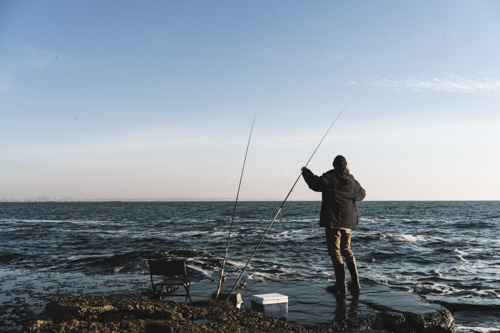
Living in a prairie province, I love to learn about people who have so much knowledge about the ocean. Mi’kmaq have treaty rights to fish under Canada’s Constitution Act of 1982, but they have always held fishing as central to their life. Mi’kmaw society was traditionally organized around seasonal movements like fishing. Mi’kmaq would — and continue to — follow natural resources like salmon, eel, and other fish, building an intimate relationship of respect and responsibility.
In our previous program of studies in Alberta, students would learn about the importance of fishing to the people living in Meteghan, Nova Scotia, and the impact of respectful fishing on the environment. This was one of my favorite units to teach since sharing the bright and colourful ocean culture of the Mi’kmaq was always so exciting for younger learners.
Language as Teacher
Like many of the other Indigenous languages we have learned about, the Mi’kmaw language is more than just communication. It is a whole identity that connects people to their ancestors, territory, and culture. For example, every fish, river, and season has its own name and story in Mi’kmaq! Each Mi’kmaw name teaches that fish are not just things to catch recreationally but are living relatives and important to our ecosystems. Through these names and stories, Mi’kmaw children learned not just how to fish for food, but when, where, and why fish were present in certain areas. This teaches us an invaluable lesson about respect for animals and balance within ecosystems.
When we encourage our students to learn Mi’kmaw words connected to fishing, they aren’t just learning vocabulary. I believe they are learning a worldview where language, land, and responsibility flow together… like a river into the ocean.
Fishing for Words and Learning Mi’kmaq
Introduction/Description
As an elementary school assistant principal, I really had fun thinking about my own target audience while developing this activity. In the spirit of fishing and the Mi’kmaw language, let’s fish for words!
This activity is targeted to younger audiences, but I also believe that anyone can have fun with their learning. In this activity, students will gain understanding about the importance of fishing and the deep connection Mi’kmaq have with the ocean. It will require some creativity, but I hope it will inspire creativity and imagination, and maybe even become a staple in your daily practice.
Learning Intentions
In this lesson, students will:
- Understand who the Mi’kmaq are and identify where Mi’kma’ki is located on a map.
- Recognize and explain the importance of fishing in Mi’kmaw culture as a way of life and caring for the land and water.
- Explore the Mi’kmaw language and understand its importance and how it intertwines nature and relationships.
- Learn fish names in Mi’kmaq! Respect for a language can come from learning a word or two to pass along to friends of the community in an effort to preserve this language, which is built on history, stories, and traditions.
Activity Sequence: A Mi’kmaw Water Wall
- Introduce Mi’kma’ki on a map and discuss why fishing is important to the Mi’kmaq.
- Analyze land use maps to notice which fish are hunted by Mi’kmaq people and where in Mi’kma’ki they can be found.
- Assign students a fish or other marine creature individually or in groups and have them research its Mi’kmaw name.
- The Mi’kmaw Conservation Group webpage is a great starting point for students.
- There are many interesting creatures in the waters surrounding Nova Scotia, but a good list to start with includes the following: urchin, squid, sucker, tuna, starfish, snail, herring, pollock, shrimp, jellyfish, shark, seal, smelt, scallop, and mussel.
- After researching its Mi’kmaw name and its specifications, students should draw and colour or print out a picture of their creature. They will include its Mi’kmaw name and a fact about its habitat, season, or role in Mi’kmaw culture. Sentence starters could include “This fish is important because…” or “This word teaches us…”
- Students will create a Mi’kmaw water wall. You could go as far as creating an ocean or river on a bulletin board with blue paper and then adding all their fish.
Extension and Conclusion
Each of the creatures in these waters comes with a story unique to the Mi’kmaw people. It would be an exciting extension to have students write a short story, comic strip, or poem about the importance of their fish in Mi’kmaw culture. A good story prompt to make the research come alive would be “If this fish could speak, what would it teach us?”
For science teachers, studying Indigenous science is an amazing way to honour Truth and Reconciliation while also creating respect for rivers and the ocean. One of my favorite books for teens and older audiences is We are Water Protectors by Carole Lindstrom. It connects land and water through land-based learning, activism, and storytelling that ties directly into Mi’kmaw fishing and language. Students can be prompted by questions such as “Why do the rivers need protection?” and “How does the story connect to Mi’kmaw respect for fish and waterways?”