Call for Proposals
PheedLoop Proposal Platform
Conference Themes
Conference Strands
Session Types and Lengths
Proposal Guidelines
Selection Process
Confirmation of Sessions
Presenter Registration Policy
Session Materials
Questions
Submit a proposal for the 2027 Languages Without Borders (LWB) conference! The program selection committee welcomes session proposals from both novice and experienced presenters. Share your high-impact strategies, current research, and innovative ideas with language educators from across Alberta, Canada, and beyond.
Presenters may propose more than one session but must submit a separate proposal for each.
Key Dates
- October 2, 2026: Deadline to submit session proposals
- October–November 2026: Review of session proposals
- November 20, 2026: Responses to presenters
- December 4, 2026: Deadline for presenters to confirm participation and register
- January 15, 2027: Preliminary conference program online
- April 2-3, 2027: Conference presentations
Submit a Session Proposal
Every two years, LWB brings together language educators, researchers, administrators, and advocates from across Canada and beyond to exchange ideas, practices, and inspiration. Rooted in the belief that language learning connects us across cultures, identities, and communities, LWB celebrates the innovation, leadership, and creativity that sustain vibrant language programs in all contexts.
In the spirit of CASLT’s vision to foster excellence in language teaching and learning, LWB 2027 invites proposals that explore new horizons in pedagogy, research, leadership, and professional practice.
PheedLoop Proposal Platform
- When you enter your email, PheedLoop may detect an existing account from this or another event. If that happens, follow the on‑screen instructions to sign in or recover access.
- If the form does not appear in your preferred language, use the language toggle in the top‑right corner of the PheedLoop submission portal to switch languages.
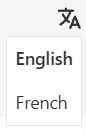
Language toggle in the top‑right corner.
Conference Themes
T01 – Developing Oral Language Proficiency and Confidence
Speaking is at the heart of language learning and is often one of its greatest challenges. This theme highlights ways to foster learners’ oral communication skills, linguistic security, and risk-taking in authentic contexts.
Proposals for this theme might explore the following:
- Strategies and activities that promote oral fluency and accuracy
- Creating safe, affirming, and motivating spaces for learners to speak with confidence
- Peer interaction frameworks and conversation-based pedagogies
T02 – Diversity and Inclusion in the Language Classroom
Language education is for everyone. It thrives when every learner is seen, supported, and valued. This theme focuses on practices that ensure all learners are welcomed, supported, and able to participate fully in language learning.
Proposals for this theme might explore the following:
- Culturally responsive and relevant pedagogy (CRRP) and approaches that support respectful, safe, and engaging language classrooms for all students
- Supporting learners with diverse or exceptional needs, including additional language learners (ALLs)
- Promoting social-emotional learning (SEL) and belonging through language education
- Differentiated or trauma-informed approaches that meet diverse learner needs
- Encouraging plurilingualism and validating students’ diverse linguistic identities
T03 – Truth and Reconciliation in Language Education
This theme honours the vital work of Indigenous language revitalization and the integration of Indigenous perspectives and pedagogies in all language education. Presenters are encouraged to reflect on how language educators can respond to the Truth and Reconciliation Commission’s Calls to Action through learning, relationship-building, and respectful engagement.
Proposals for this theme might explore the following:
- Indigenous language teaching and revitalization programs or partnerships
- Collaborating respectfully with Elders, Knowledge Keepers, and community organizations
- Integrating Indigenous pedagogies (Indigegogy), land-based learning, and ceremony into language learning
- Decolonizing language curricula and fostering reconciliation through education
T04 – Artificial Intelligence and Technology in Language Education
Artificial intelligence (AI) and digital tools are redefining how languages are taught and learned. This theme invites proposals that examine the opportunities and challenges of integrating new technologies to transform teaching, learning, and professional practice.
Proposals for this theme might explore the following:
- AI as a tool to reduce teacher workload and support planning or assessment
- Using technology to enhance learner engagement, personalization, or feedback
- Ethical considerations and digital literacy for educators and students
- Creative classroom applications and case studies showing measurable impact
T05 – Supporting EAL and Newcomer Students
As newcomers bring linguistic and cultural richness to schools, educators are reimagining how to support their language development and integration. This theme invites examples of research, collaboration, and pedagogy that strengthen English as an additional language (EAL) learners’ success and integration.
Proposals for this theme might explore the following:
- Effective scaffolding, assessment, or language development strategies
- Partnerships among teachers, families, and communities to support settlement and learning
- Approaches and strategies that leverage students’ home languages to support language learning and affirm plurilingual and multicultural identities
T06 – High-Impact Teaching Approaches and Strategies
This theme highlights pedagogical approaches that maximize learner engagement and proficiency. It invites practice- and research-based sessions on effective language teaching strategies.
Proposals for this theme might explore the following:
- Practical applications for evidence-based approaches, including but not limited to the action-oriented approach, the neurolinguistic approach, or inquiry-based learning
- Classroom innovations that enhance learner engagement and authentic language use
- Collaboration and reflective practices that support student success
- Research on the outcomes or transferability of high-impact approaches
T07 – Assessment and Evaluation for Language Learning
Meaningful assessment drives learning and celebrates progress. This theme examines tools, frameworks, and practices that align assessment with teaching and learning goals.
Proposals for this theme might explore the following:
- Using proficiency frameworks such as the Common European Framework of Reference (CEFR), Canadian Language Benchmarks (CLB), or locally developed models to track progress
- Innovative approaches to formative assessment that empower learners
- Balancing equity, reliability, and transparency in grading and feedback
T08 – Thriving Language Teachers and Programs
Thriving language programs depend on well‑supported, well‑prepared teachers. This theme explores how policies, structures, and professional learning can strengthen language programs, support teacher training and retention, and foster strong professional communities across diverse contexts.
Proposals for this theme might explore the following:
- Policy development and evidence‑informed advocacy that sustain and strengthen language programs
- Innovative approaches to teacher training, mentorship, and professional learning that support teacher growth, well‑being, and long‑term engagement
- Recruitment, retention, and integration strategies that support both locally and internationally trained language teachers as vital contributors to Canada’s education workforce
- Leadership practices that foster healthy workplaces, strong teaching communities, and program excellence across diverse educational contexts
Conference Strands
The conference strands reflect the language(s) and learner contexts that are relevant for each session. When submitting a proposal, please select all strands that apply to your topic or audience focus.
- French as a Second or Additional Language (e.g., core French; French immersion; intensive French; extended French; francisation; French for newcomers; adults learning French)
- English Language Learner/English as a Second or Additional Language (e.g., EAL in Francophone schools, language programs, and regular community programs; English for newcomers; adults learning English)
- International Languages
- Indigenous Languages
- Sign Languages
- General (applicable to multiple strands or broader language education contexts)
Session Types and Lengths
Presenters need to indicate both the type and length of their session. Different lengths allow for focused sharing of ideas, deeper exploration of topics, or extended hands-on learning experiences.
Presentation
A session that shares or showcases information and strategies with time for participants to process information and ask questions.
Available lengths: 30 or 60 minutes
Workshop
A hands-on, interactive professional learning activity centring on a specific issue or technique, with opportunities for participants to try tools, strategies, or tasks.
Available lengths: 60 or 90* minutes
*90-minute sessions must include a substantial interactive or hands-on component (not solely lecture-style delivery). The session description must clearly identify and describe this component (e.g., specific activities, small-group tasks, or guided practice).
Panel
A structured session that includes 3–4 presenters, a moderator, and time for questions and discussion. The lead presenter must identify and confirm all panelists and the moderator prior to submitting the proposal; all names and roles should be included in the submission.
Available length: 60 minutes
Commercial Workshops
Any session that promotes a saleable product, program, or service will be considered a commercial workshop. Presenters will be required to pay an additional fee depending on the session length.
Available lengths and fees: 30 minutes ($400 + tax) or 60 minutes ($750 + tax)
Proposal Guidelines
To support a smooth submission process and a clear, engaging program for participants, please keep the following guidelines in mind when preparing your proposal. You may find it helpful to prepare your session title, abstract, and presenter biography(ies) in advance before starting the online proposal form. Proposals may be written in any language*; however, we strongly recommend writing your proposal in the language of presentation.
*If your proposal is written in a language not spoken by any member of the session selection committee, we may ask for an English or French translation.
Session Title
The title should be descriptive, engaging, and accurately reflect the focus of your session.
Maximum length: 120 characters
Session Abstract
Use active voice and clear language to explain what your session is about and why participants should attend. Highlight the key ideas and what participants will know, understand, or be able to do after your session.
Maximum length: 1,000 characters
Presenter Biography
Write each biography in the third person and include relevant professional background, areas of expertise, and experience that demonstrates your qualifications to lead this session.
Maximum length: 750 characters each
Selection Process
The session selection committee will review all proposals for their relevance to the conference themes and strands listed above. The goal is to offer a balanced, comprehensive, and diverse program that reflects a wide range of perspectives, contexts, and professional interests.
In assessing the overall quality of proposals, the committee will consider the following:
- Are the session title and description succinct, engaging, and well-written?
- Are the purpose and focus clearly articulated?
- What is the relevance of the topic to the field of language teaching, learning, and/or research?
- Are there meaningful opportunities for participant engagement (where applicable)?
The session selection committee reserves the right to request modifications to proposals prior to acceptance to ensure clarity, alignment, and balance within the overall program.
Confirmation of Sessions
The lead presenter will receive notice of the status of the proposed session via email. If the proposal is accepted, the lead presenter must confirm participation and all presenters must register for the conference by December 4, 2026.
Acceptance to the conference does not guarantee minimum attendance at any session.
Presenter Registration Policy
All presenters and co-presenters must register for the conference. Presenting at LWB 2027 does not automatically include conference registration.
| Number of Presenters | Policy Per Session | Fee |
| Up to two | Full access to the LWB conference (day of the session), including meals, OR | $0 |
| Full access to the LWB conference (Friday and Saturday), including meals. | $175 + tax (each) | |
| Any additional presenters | Each additional presenter must register as an attendee and pay the LWB conference fee (not eligible for presenter rate). | See Registration page for options |
Presenters are responsible for registering for the LWB conference, arranging and paying for their own travel and accommodations where applicable, and paying any other associated costs.
Session Materials
Presenters are encouraged to share session materials, such as presentation slides, links, and other resources, through the conference event app.
Questions
If you have any questions regarding submitting a session proposal, please contact our presenter coordinator, Kim Giese, at projects@caslt.org.
Submit a Session Proposal
Become a Member
CASLT supports its members by creating opportunities for professional development, initiating and disseminating research, and facilitating the exchange of information and ideas among language educators. Memberships start at only $60 per year!
Compare Membership Categories Sign up today